How to Wash Bathroom Mats Correctly: A Simple Guide to Deep Cleaning at Home
Bathroom mats are the unsung heroes of the home, quietly absorbing moisture, trapping dust, and providing a soft landing for bare feet. However, because they live in a high-humidity environment, they quickly become a breeding ground for bacteria, mold, and unpleasant odors if neglected. Deep cleaning your mats isn’t just about aesthetics; it’s a necessary step for maintaining household hygiene and extending the life of your textiles.
While it’s tempting to simply toss them in with your regular laundry, bathroom mats require a bit more finesse. Depending on whether they feature a non-slip rubber backing, are made of memory foam, or consist of woven cotton, the cleaning method changes significantly. Using the wrong temperature or harsh chemicals can cause the backing to crumble or the fibers to lose their plushness.
Introduction
Stepping out of your shower, you likely land on a soft, plush surface. But that surface is a magnet for moisture, bacteria, and skin cells. Knowing how to wash bathroom mats properly is vital for a healthy home. Many people ignore these rugs until they start to smell or look dingy. However, standard cleaning keeps your bathroom fresh and safe. This guide offers the correct way to care for bathroom mats without damaging the fibers. You will learn the best methods for various materials and how to handle tough odors. Following these tips to clean bathroom mats ensures your space stays hygienic. Let’s dive into the best practices for maintaining your favorite bath rugs.
Why Bathroom Mats Need Regular Deep Cleaning
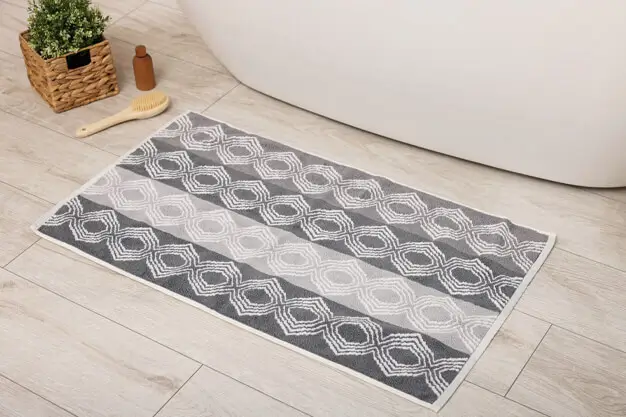
Bath mats sit in a damp environment most of the day. This humidity creates a perfect spot for mold and mildew to grow. Every time you step on the mat, you deposit oils and dirt. Over time, these particles get trapped deep within the fabric. If you do not wash bathroom mats, these contaminants can lead to skin irritation or fungal issues.
How Often Should You Wash Bathroom Mats?
The frequency depends on how many people use the bathroom. For a busy family home, you should wash bathroom mats at least once a week. If you live alone and the mat dries completely between uses, washing it every two weeks is fine. Always wash them more often if you notice a damp smell or visible stains. Frequent washing prevents the buildup of permanent odors.
Check the Care Label Before Washing
Before you start, look for the manufacturer’s tag. This label indicates whether the material is machine-safe or requires hand washing. Some luxury rugs have specific requirements to prevent shedding or shrinking. Following the label is the best way to care for bathroom mats. It prevents accidental damage to the backing or the delicate pile. If the tag is missing, it’s safest to err on the side of caution.
How to wash bathroom mats in a Washing Machine
Using a machine is the most convenient way to get a deep clean. However, you must be careful not to overwhelm the drum. Washing bathroom mats in the machine requires a balanced load. You can add a couple of towels to keep the machine from shaking too much.
Shake Off Loose Dirt and Hair
Take the rug outside first. Give it a hard shake to remove hair and dust. This step prevents your machine filter from getting clogged with debris. Alternatively, use a vacuum hose to remove deep-seated grit before water hits the fabric. This ensures the soap can reach the actual fibers instead of just wetting the dust.
Pre-Treat Visible Stains
Look for spots caused by makeup or lotions. Apply a bathroom mat stain remover to these areas. Let the solution sit for ten minutes to break down the grime before the cycle starts. For heavy discoloration, gently rub the solution with an old toothbrush. This agitation helps the cleaner penetrate the dense weave of the mat.
Use the Right Wash Settings
Set the machine to a gentle cycle with cold water, which is usually best for most materials. Cold water protects the colors and prevents the rubber backing from melting or cracking. High-speed spins should be avoided as they can stretch the fabric or tear the non-slip coating. A slower spin is easier on the machine’s motor, too.
Choose a Mild Detergent
Pick a gentle laundry detergent for the job. Avoid harsh chemicals or bleach unless the label says it is safe. Too much soap can leave a sticky residue that actually attracts more dirt later. If you have sensitive skin, an extra rinse cycle helps remove every trace of detergent. This prevents foot irritation when you step on the wet mat later.
How to Hand-Wash Bathroom Mats
Hand washing is the safest path for high-end or very old rugs. It allows you to focus on specific dirty spots without the mechanical stress of a machine. This is a great way to wash different fabrics that are too fragile for a spin cycle. Hand washing also prevents the heavy weight of a wet mat from damaging your washing machine’s balance.
Fill a Tub or Bucket with Warm Water
Fill your bathtub with enough water to cover the mat. Mix in a small amount of soap until you see light suds. Ensure the water is not steaming hot, as this can damage the structural glue inside many mats. A lukewarm temperature is usually the sweet spot for breaking down body oils.
Scrub Gently but Thoroughly
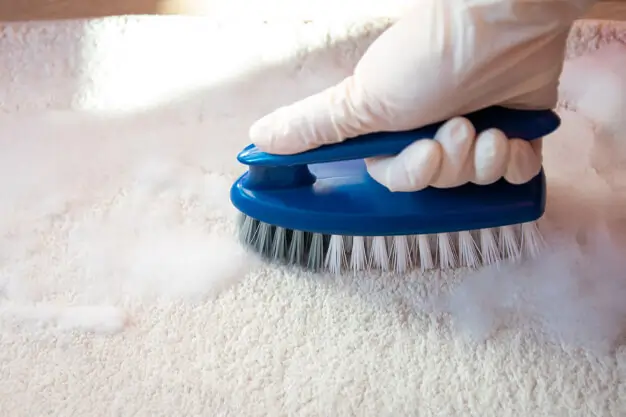
Use a soft brush to work the soapy water into the fibers. Focus on the center where people stand the most. Do not scrub too hard on the backing to avoid tearing it. For thick chenille mats, squeeze the soapy water through the “noodles” of the fabric to reach the base.
Rinse Until Water Runs Clear
Drain the soapy water and refill with fresh water. Press down on the mat to push out the soap. Repeat this until no more bubbles appear in the water. Lingering soap can make the mat feel slimy or stiff once it dries. Take your time to get all the suds out for a soft finish. It’s one of the best tips for cleaning bathroom mats.
How to Dry Bathroom Mats Properly
Correctly drying bathroom mats is just as important as the wash itself. Improper drying leads to crunchy fibers or ruined non-slip surfaces. Moisture trapped inside a thick mat can lead to a “sour” smell within hours if it doesn’t dry fast enough.
Air Dry for Best Results
The best method is to air-dry bathroom rug pieces on a clothesline or a drying rack. This keeps the shape intact and prevents heat damage. Hang them in a spot with good airflow to speed up the process. If you dry them indoors, use a floor fan to keep the air moving around the fabric.
Avoid High Heat Drying
Never use high heat in a dryer. High temperatures destroy the glue and rubber on the bottom of the rug. If you must use a dryer, choose the “tumble dry low” or “air fluff” setting. Drying bathroom mats away from heat extends their life significantly. If you notice the backing sticking to the dryer drum, stop immediately and switch to air drying.
Special Care for Different Types of Bathroom Mats
Different materials require unique approaches to stay in top shape. Each texture reacts differently to water and agitation.
Cotton and Fabric Mats
Cotton is durable and easy to clean. You can wash bathroom mats made of cotton in the machine with standard settings. They can usually handle slightly warmer water if they are very dirty. However, frequent hot washes might fade the vibrant colors over time.
Rubber-Backed and Non-Slip Mats
Be careful with these. The rubber can peel off if you use hot water or a fast spin. Always use the correct method to care for bathroom mats with backing by selecting a slow cycle. Check for cracks in the rubber before every wash to ensure bits don’t break off in your drain.
Memory Foam and Luxury Mats
Memory foam holds a lot of water, so it’s best to avoid machine washing. If the foam stays wet for too long, it can rot inside. These require careful drying of bathroom mats in a flat position. Never fold or wring memory foam, as it can permanently deform the internal structure.
Common Mistakes to Avoid When Washing Bathroom Mats
One big mistake is using fabric softener. Softener coats the fibers and stops them from absorbing water. Another error is leaving a wet mat in the machine for too long. This is often why your laundry still smells bad after washing. Always move the mat to the line or dryer immediately.
When to Consider Professional Laundry or Dry Cleaning
If you have a very expensive or oversized rug, home machines might not be enough. Professional cleaners have industrial tools for deep extraction. You can search for reliable laundry services in your area for help. Check their pricing online to see if it fits your budget. If you have questions about specific stains like hair dye or rust, feel free to contact us for advice. Experts can often save a rug that looks beyond repair.
FAQs – Wash Bathroom Mats
What is the best way to wash bathroom mats?
Run a gentle cycle using cold water and mild liquid soap to clean the fibers safely. Always shake the rug outside first to remove loose debris, hair, and dust particles.
How to get pee smell out of bath mats?
Add one cup of white distilled vinegar to the rinse cycle to neutralize ammonia odors. This natural solution breaks down the scent molecules without damaging the delicate rubber backing.
Why does my bath mat still smell after washing?
The inner core likely stayed damp for too long, allowing bacteria to thrive. Ensure the mat has full airflow and dries completely before placing it back on the floor.
Wrap-Up: Keep Your Bathroom Mats Fresh & Hygienic
Learning how to wash bathroom mats correctly is a simple way to improve your home hygiene. Frequent cleaning prevents the growth of mold and keeps your floors safe from slips. Whether you choose machine or hand washing, always prioritize the material’s needs. Using these tips to clean bathroom mats will help your rugs stay soft and absorbent for years. Remember to avoid high heat and harsh chemicals that strip the fibers of their quality.
A clean mat makes every morning routine feel a bit more like a spa visit. If you follow this guide, your bathroom will stay fresh and inviting for your family and guests. Regular maintenance is the key to longevity. Now that you know the steps, take a moment to wash bathroom mats in your home today. This small task makes a massive difference in your overall living environment and air quality.