The Complete Guide to Washing a Sleeping Bag Without Damage
If you want to wash a sleeping bag properly, you must understand that these items are not like your standard bed sheets. Sleeping bags feature complex insulation layers designed to trap heat in extreme conditions. Unlike regular bedding, the loft of a sleeping bag can be easily crushed or matted. Common problems like insulation clumping, foul-odor buildup, and permanent fabric damage often occur when you use the wrong methods.
When you wash a sleeping bag, the goal is to remove body oils and dirt without stripping the technical coatings. For those living in busy regions, using a professional service like Love2Laundry is a smart move.
We offer reliable laundry services that handle delicate outdoor gear with expert care. This guide will help you navigate how to wash a sleeping bag at home or with a pro.
Check the Care Label Before Washing Your Sleeping Bag
You must always check the manufacturer’s instructions before you wash a sleeping bag. Every bag has a specific care label that dictates the allowed water temperature and cleaning agents. There are major differences in washing limits for down versus synthetic materials.
Down requires specialized cleaners, while synthetic fibers are a bit more resilient to standard soaps. If you skip this step, you risk voiding your warranty. You might also cause the waterproof lining to peel or the internal baffles to tear. Reading the label is the first step in the best way to wash sleeping bag safely.
Prepare Your Sleeping Bag for Washing
Preparation is a vital damage-prevention step. Over time, dirt, sand, and sweat settle into the fabric and insulation. These particles act like sandpaper, grinding down the fibers from the inside. Before you begin to wash a sleeping bag, you need to clear the debris.
Close all zippers to prevent the metal teeth from snagging the shell. Fasten any Velcro tabs so they do not stick to the delicate lining. You should also loosen all drawcords and turn the bag inside out.
This protects the outer shell while allowing water to reach the areas where sweat and oils accumulate most. Proper prep is one of the top tips on properly wash a sleeping bag.
How to Machine Wash a Sleeping Bag Safely
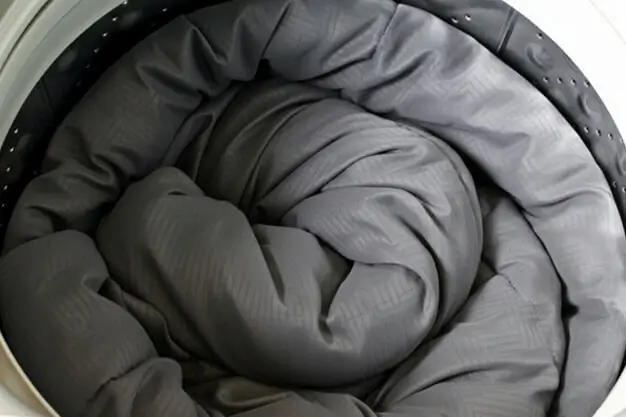
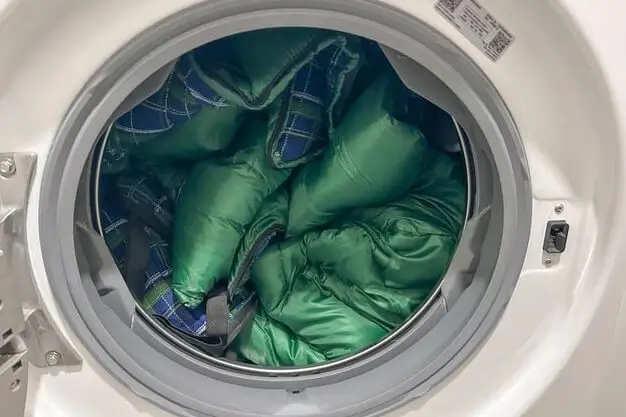
Machine washing is acceptable for most modern bags, but only if done correctly. You must use a front-loading washer. Never use a machine with a center agitator, as the mechanical arm can rip the bag apart.
To wash a sleeping bag in a machine, select a cool delicate cycle with cold or lukewarm water. Use a mild detergent specifically made for technical fabrics. Avoid using too much soap, as residue can ruin the loft. If your home machine is too small, do not force the bag inside. A cramped drum prevents proper cleaning and puts stress on the seams.
To further protect the insulation, consider adding a heavy towel to the load. The towel acts as a buffer inside the drum, balancing the weight of the water-heavy bag during the spin cycle. This prevents the machine from shaking excessively and protects the waterproof lining from being pressed too hard against the metal walls. Once the cycle finishes, do not simply pull the bag out by one end.
A wet bag is heavy enough to rip its own internal stitching. Instead, scoop the entire bundle up from underneath to support its full weight as you move it to the area where you will dry a sleeping bag. Taking these small precautions is the best way to wash sleeping bag materials without causing hidden structural fatigue.
Washing a Down Sleeping Bag
Down insulation is incredibly delicate. It is very sensitive to harsh detergents that strip away natural oils. When you wash a sleeping bag filled with down, use a down-specific cleaner.
These formulas preserve the feathers’ fluffiness. You must also include an extra rinse cycle. This ensures that no soap stays trapped in the plumes. Trapped soap can cause clumping and a sour odor once the bag is dry.
Washing a Synthetic Sleeping Bag
Synthetic insulation is more resilient, but it still needs gentle handling. When you wash a sleeping bag with synthetic fill, stay away from powder detergents. These can get stuck in the fibers. You must also avoid fabric softeners.
Softeners coat the fibers and reduce the bag’s ability to keep you warm. Use a low-spin cycle to protect the fiber structure from stretching or shifting during the wash.
How to Hand Wash a Sleeping Bag
Hand washing is often the safest option for old or very delicate bags. If you have a bag with a fragile waterproof lining, use a bathtub. Fill the tub with lukewarm water and a small amount of mild soap. Submerge the bag and let it soak for an hour. Instead of scrubbing or wringing the fabric, use a gentle pressing motion.
Knead the bag with your hands to work the soapy water through the insulation. When you are done, drain the tub and press the bag against the bottom to remove excess water. Never twist the bag, as this will tear the internal stitching.
Spot Cleaning Small Stains Without Full Washing
You do not always need a full wash. Spot cleaning is one of the best tips on properly wash a sleeping bag because it extends the life of the gear. Focus on high-contact areas, such as the hood and the foot section.
Use a soft cloth, a tiny bit of mild detergent, and minimal water. Gently rub the stained area until it is clean. This prevents the insulation from getting soaked unnecessarily. It also keeps the waterproof lining intact for much longer.
How to Dry a Sleeping Bag Without Ruining It
Learning how to dry a sleeping bag is just as important as the wash itself. Improper drying leads to mildew, bad odors, and flat insulation. You must make sure the bag is 100% dry before you even think about storage.
If any moisture remains, the bag will grow mold and become unusable. While the process takes time, staying patient is the only way to avoid ruining your expensive gear.
Tumble Drying a Sleeping Bag
Putting a sleeping bag in the dryer is the fastest method, but it requires low heat. High heat can actually melt synthetic fibers or the outer nylon shell. Toss in three tennis balls to help restore the loft.
As the drum spins, the tennis balls hit the clumps of insulation and break them apart. You should check the bag every 20 minutes to ensure it is not getting too hot. This is widely considered the best way to wash sleeping bag components effectively during the drying phase.
Air Drying a Sleeping Bag
Air drying is appropriate if you do not have a large dryer or if the care label forbids machine drying. Lay the bag completely flat in a well-ventilated area away from direct sunlight. You should rotate it every few hours to ensure even drying.
Never hang the bag on a clothesline. The weight of the wet insulation will pull down and stretch the fabric or snap the internal seams. Following these tips on properly wash a sleeping bag will keep the shape perfect.
How Often Should You Wash a Sleeping Bag
You should wash a sleeping bag only once or twice per season. Over-washing is a mistake that reduces the insulation’s performance over time. If you use a liner, you can go even longer between washes.
Airing out your bag after every camping trip helps keep it fresh without needing water. Think of a full wash as a deep-cleaning task rather than something you do often.
Common Mistakes to Avoid When Washing Sleeping Bags
Many people make errors that lead to permanent damage. First, never use bleach or fabric softeners. These chemicals destroy the technical coatings and the insulation loft. Second, avoid dry cleaning unless the label specifically says so.
Standard dry-cleaning solvents can strip oils from down and may weaken some synthetic materials or coatings. Third, never use high heat when you dry a sleeping bag. These travel clothing care mistakes can turn a high-end bag into a useless piece of fabric.
When to Choose Professional Laundry and Dry Cleaning Services
There are times when DIY methods are too risky to wash a sleeping bag safely. If your bag is too large for your home machine, professional care is the safest route. Large-capacity machines allow the sleeping bag to tumble freely without stressing seams or baffles.
Professionals also use controlled drying temperatures and specialized detergents that you might not have at home. For those in the Gulf region, checking out the pricing for expert care can save you the cost of a new bag. Professional cleaners know how to handle the waterproof lining and complex baffles without stressing the material.
If you are a professional traveler, you likely have other items that need care, too. Check out our guide on laundry hacks for busy professionals in Bahrain to save time.
FAQs – How to Wash a Sleeping Bag
Can you wash a sleeping bag at 60 degrees?
No, 60°C is too hot for most sleeping bags. High temperatures can melt synthetic insulation and damage the shell. Stick to 30°C or 40°C if the care label for your sleeping bag recommends it.
How to dry out a sleeping bag after washing?
The best way to dry a sleeping bag is to use a large dryer on the lowest heat setting. Add tennis balls to the drum to break up insulation clumps and restore loft. This process can take several hours, but it is necessary to restore the warmth.
Is it better to zip or unzip before washing?
You should zip the bag up before you wash a sleeping bag and loosen any drawcords to reduce stress on the seams. This protects the zipper teeth from getting bent and prevents the zipper from scratching the delicate inner lining during the cycle.
Final Tips to Keep Your Sleeping Bag Clean and Long-Lasting
Learning how to wash a sleeping bag is a skill every camper should master. It is about more than hygiene. It is about protecting a valuable investment in your outdoor gear. By following the steps in this guide, from checking the care label to using tennis balls during washing a sleeping bag in the dryer cycles, you help your bag stay warm for years.
Remember to be patient during the drying process and avoid harsh chemicals at all costs. If you are unsure about doing it yourself or if your bag is exceptionally large, contact Love2Laundry for expert assistance. We handle your technical gear safely so you can focus on your next adventure.