How to Wash TableCloths Like a Pro: The Ultimate Care Guide for Stains, Wax Spills & Crisp Results

A dining table is the heart of the home, and its crowning glory, the tablecloth, often bears the brunt of spills and stains. To wash tablecloth fabrics effectively, you must understand that these textiles endure unique stresses like hot grease and acidic wine. Using excessive heat or harsh chemicals can turn soft fibers brittle or yellow over time, damaging your tablecloth. o achieve that coveted, five-star hotel finish characterized by mirror-like smoothness and crisp results, you must master the art of the pre-soak and the precision of ironing. This guide breaks down the professional secrets to navigating the “danger zones” of table care. By the end, you’ll know exactly how to wash your tablecloths so they emerge from the laundry room looking brand new, crisp, and ready for your next big celebration.
From the terrifying sight of a red wine spill to the stubborn grip of dried candle wax, every blemish requires a specific tactical approach. Most homeowners make the mistake of using excessive heat or harsh chemicals, which can turn soft fibers brittle and yellow over time.
Why Proper Tablecloth Care Matters More Than You Think
Investing in high-quality linens is expensive. Proper care preserves the structural integrity of the weave. If you neglect stains or use the wrong heat, you shorten the lifespan of the fabric significantly. Regular maintenance keeps odors at bay and maintains vibrant colors. A well-maintained tablecloth also provides a hygienic surface for your family to enjoy meals.
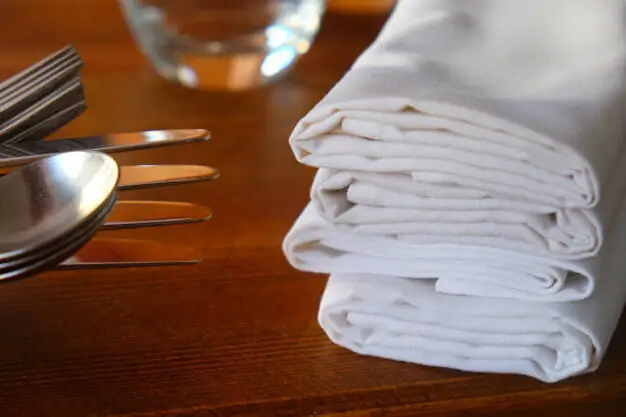
Know Your Tablecloth Fabric Before Washing
Before you begin, you must identify the material. Different fibers react differently to moisture and heat. Learning how to wash different fabrics is the first step toward a successful clean. Each material has a specific “breaking point” regarding agitation and temperature.
Cotton and Linen Tablecloths
These natural fibers are staples in the dining room. They are highly absorbent and durable, making them ideal for frequent use. However, they can shrink easily under high heat. Always use lukewarm water to preserve the cloth’s size and shape.
Polyester and Synthetic Blends
Synthetics are popular because they resist wrinkles and stains better than cotton. They dry quickly but are sensitive to high iron temperatures. These fabrics often benefit from a permanent press cycle to keep them smooth. Avoid high heat as it can permanently “set” oily stains into the plastic-based fibers.
Silk, Embroidered, and Decorative Tablecloths
These delicate items require special care. Embroidery can snag or unravel in a regular washing machine. Silk loses its luster if exposed to harsh detergents with high alkalinity. It’s often best to spot-clean these items instead of soaking the entire piece. If the item is an heirloom, consider professional help to avoid irreversible damage.
What You’ll Need Before Washing Tablecloths
Preparation is key to efficiency. Having your station ready prevents you from scrambling while a stain sets. You’ll need specific cleaning agents to break down organic proteins and oils without stripping the fabric’s color.
Cleaning Supplies
You will need a gentle laundry detergent for regular cleaning. Keep oxygen-based bleach on hand for whites and brights. For greasy spots, clear dish soap is highly effective. Avoid using fabric softeners, as they can reduce the cloth’s absorbency over time.
Tools and Equipment
A soft-bristled brush helps work treatments into the fibers. You also need a high-quality steam iron and a sturdy ironing board. For large linens, use a clean flat sheet on the floor as a workspace for oversized pieces.
Step-by-Step: How to Wash Tablecloths at Home
Follow a logical sequence to get the best results. Rushing the process leads to missed spots and deep wrinkles. If you follow these tips for washing tablecloth items, the results will rival those of commercial laundry.
Shake, Inspect, and Sort
Always take the cloth outside and gently shake off crumbs first. Check every inch for hidden spills. Sort your linens by color and fabric type. Never wash a tablecloth with towels because towels produce lint that sticks to the tablecloth fibers.
Choose the Right Water Temperature and Cycle
Select the water temperature based on the fabric. Hot water works for white cotton but ruins synthetics. Use a medium-speed spin cycle. This helps prevent deep creases in the fabric, which can be difficult to iron out later.
Use the Correct Detergent Amount
More soap does not mean cleaner clothes. Excess detergent leaves a dull film on the fabric. This residue actually attracts more dirt during your next dinner. Use the recommended amount for the load size to keep the fibers light and breathable.
How to Remove Common Tablecloth Stains Effectively
Stains are inevitable. The goal is to lift the pigment before it bonds with the thread. Learning how to treat stains on white tablecloths can save even the most damaged pieces.
Food and Sauce Stains
Organic stains like gravy or tomato sauce need cold water first. Apply a paste of baking soda and water. Let it sit for 30 minutes before washing tablecloth items in the machine. This breaks down the proteins effectively.
Oil and Grease Stains
Salad dressing and butter are difficult to treat because they are translucent when wet. Apply dish soap directly to the dry fabric. Rub it in gently with your fingers. This emulsifies the oil so the water can carry it away.
Red Wine and Beverage Spills
Blot the spill immediately with a white cloth. Do not rub the wine deeper into the weave. Use a mixture of hydrogen peroxide and a drop of soap for white cloths. For colored tablecloths, club soda helps lift the pigment to the surface.
How to Remove Candle Wax from Tablecloths Without Damage
Never scrape wet wax. Allow it to harden, or use ice to make it brittle. Pop off the chunks with a dull knife. Place paper towels on both sides of the remaining wax. Press a warm iron over the paper. The wax melts and moves from the fabric into the paper. Repeat until the oily residue is gone.
Hand Washing vs Machine Washing: What’s Better?
Hand washing is the safest route for lace or silk. It prevents mechanical stress. However, to wash a tablecloth in a washing machine is perfectly fine for cotton and polyester. The machine provides better agitation for removing heavy food soil. Use a mesh bag for anything with fringe to prevent tangling.
How to Dry Tablecloths for Smooth, Wrinkle-Free Results
Avoid high heat in the dryer. It causes fibers to become brittle. Take the cloth out while it is still slightly damp. If you wash a tablecloth with towels, the drying time will be uneven. Air drying on a line is the best way to prevent shrinking and keep whites bright.
How to Iron Tablecloths for Crisp, Professional Finish
Ironing is where the magic happens. Use a spray starch for a stiff, formal look. Iron the cloth while it is still damp from the wash. This uses the natural steam to relax the fibers. Work from the center outward to avoid creating pleats in the middle of the table. Additionally, following proper washing techniques ensures stains and fabric damage are minimized.
How Often Should You Wash Tablecloths?
You should wash your tablecloth after every use if food was served. Even if it looks clean, microscopic food particles attract pests. For decorative cloths not used for dining, a seasonal cleaning is enough to remove dust.
Proper Storage Tips to Prevent Yellowing and Creases
Store your linens in a cool, dry place. Avoid plastic bins, which trap moisture and cause yellowing. Wrap them in acid-free tissue paper. Instead of folding, roll the tablecloths around a cardboard tube to prevent permanent crease lines.
When to Choose Professional Laundry and Dry Cleaning Services
Sometimes a DIY approach isn’t enough. For large banquet cloths or delicate antiques, dry cleaning is the safest option. Professionals have industrial presses that provide a level of crispness hard to achieve at home. They also understand why your laundry still smells bad after washing and can fix deep-seated odors.
Why Love2Laundry Bahrain Is the Smart Choice for Tablecloth Care
When you need reliable laundry services, look no further. We handle your linens with expert precision. Our team understands the chemistry of stain removal. You can check our pricing online and contact us to schedule a pickup. We make the process simple and stress-free.
FAQ’s – Wash Table Cloths
Can I put a tablecloth in the washing machine?
Yes, most cotton and synthetic cloths are safe to wash tablecloths in washing machine cycles. Just use a gentle setting and avoid mixing them with heavy items like jeans.
What washer setting for tablecloths?
Use the permanent press cycle for most linens to minimize wrinkles. This setting uses a cool-down rinse that keeps the fabric smooth and easy to iron later.
How to remove stubborn stains from a tablecloth?
To remove old stains from tablecloth items, soak them in an oxygen bleach solution overnight. This gently lifts deep pigments without damaging the integrity of the fabric fibers.
From Everyday Meals to Special Occasions—Keep Your Tablecloths Spotless
Mastering the art of laundry is a skill that saves money and elevates your home aesthetic. By washing your tablecloths with the right techniques, you preserve the memories attached to those fabrics. From handling delicate silk to removing stubborn wax, the process requires patience and the right tools. Remember to avoid high heat and always treat spills immediately.
If the task feels overwhelming, professional services are always available to restore your items to their original glory. Using these tips to wash tablecloth fabrics ensures your dining room always looks its best. Whether you wash your tablecloths by hand or in a washing machine, the goal is a clean, crisp finish. Stop washing tablecloths with towels to avoid lint buildup. Your linens deserve the best care possible to last for many more dinners to come.