How To Care For Nylon: The Do’s, Don’ts & Fixes That Keep Fabrics in Shape
Proper care for nylon is the secret to keeping your favorite wardrobe staples looking fresh and functional for years. Nylon is a popular yet delicate fabric used in everything from high-performance activewear to everyday jackets and hosiery. While it is known for being incredibly tough, it is also highly sensitive to heat and harsh chemicals.
To maintain nylon’s shape, elasticity, and smooth finish, follow specific cleaning protocols for nylon garments. Improper handling during laundry or drying can lead to permanent damage that ruins the fit of your clothes. This guide provides essential tips to care for nylon so you can protect your investment.
Understanding the unique needs of this synthetic fiber helps you avoid common pitfalls like pilling or melting. Whether you are washing a heavy parka or a light gym shirt, the right approach makes a massive difference. Let’s dive into the best methods for washing nylon garments and keeping them in top-tier condition.
What Is Nylon Fabric & Why Proper Care Matters
When you learn how to care for nylon, you first need to understand what makes this material special. Nylon is a synthetic polymer known for its lightweight, silky feel, and exceptional durability. It was the first fully synthetic fiber ever created. Today, it is a staple in activewear, lingerie, swimwear, and outerwear for its water resistance and quick drying. However, its plastic-based origin is exactly why you must be careful.
Because this fabric is essentially a type of plastic, they have a low melting point. High heat from a washer or dryer can cause fibers to warp or fuse. This results in a loss of structure or a “crunchy” texture that cannot be fixed. Furthermore, nylon is prone to static electricity and can easily pick up dyes from other clothes in the wash. Taking the time to follow tips to care for nylon prevents stretching and keeps the colors vibrant.
Always Check the Care Label Before Washing
The first step in caring for your nylon is reading the manufacturer’s care label. This is vital because many items are not pure nylon. They are often blended with spandex, cotton, or polyester. These blends change how the garment reacts to water and heat. The label uses universal symbols to indicate the maximum temperature and the recommended cleaning method.
If the label says “Dry Clean Only,” do not attempt to wash it at home. This is common for structured items like blazers or heavy winter coats. The symbols also indicate if you can use a dryer or if you must air dry nylon clothes. Ignoring these signs is the fastest way to shrink your gear. If you are unsure about the symbols, check out our guide on how to wash different fabrics correctly.
The Do’s of Washing Nylon Clothes
To ensure the longevity of nylon clothes, you must use a gentle touch. Nylon can snag easily on zippers or buttons from other items. Always zip up jackets and turn your clothes inside out before putting them in the machine. This protects the outer finish from friction and pilling.
Use Cold or Lukewarm Water Only
Temperature control is a key component of care for nylon. You should only use cold or lukewarm water. Hot water is the enemy of synthetic fibers. It weakens the material’s chemical bonds.
This leads to shrinking and a loss of elasticity. Once nylon loses its “snap,” it will look baggy and old. Cold water is effective enough to remove sweat and dirt without compromising the garment’s integrity.
Choose a Gentle or Delicate Wash Cycle
Always select the gentle or delicate cycle when washing nylon garments. This setting uses less agitation. High-speed spinning can distort the fabric.
For lightweight items like stockings or thin windbreakers, consider using a mesh laundry bag. This adds an extra layer of protection against the mechanical parts of the washing machine.
Use Mild, Non-Bleach Detergents
The chemicals you use matter just as much as the water temperature. Choose a mild, pH-neutral detergent for nylon fabrics. Harsh detergents can strip fibers and make them brittle.
Most importantly, never use chlorine bleach on nylon. Bleach can cause yellowing and dissolve fibers over time. If you have a tough stain, look for oxygen-based whiteners instead.
The Don’ts That Can Ruin Nylon Fabrics
Avoiding mistakes is just as important as following the right steps. Many people ruin their expensive gear because they treat it like cotton. Nylon requires a different mindset to maintain the longevity of nylon clothes.
Never Use High Heat
Heat is the most common cause of damage. You must avoid high temperatures in every stage of the process. This includes the wash cycle, the drying cycle, and even storage. Never leave nylon garments in a hot car or near a heater. If the fibers get too hot, they will melt or warp. This damage is permanent. If you see shiny patches or ripples on the fabric, it indicates heat damage.
Avoid Fabric Softeners
It may be tempting to use fabric softeners to make your clothes feel soft. However, you should avoid them when you care for nylon. Softeners leave a waxy coating on the fibers’ surface.
This is particularly problematic for sportswear. The coating blocks the fabric’s moisture-wicking properties. It also traps odors and bacteria inside the weave. Over time, this buildup reduces the garment’s stretch and breathability.
How to Safely Dry Nylon Clothes
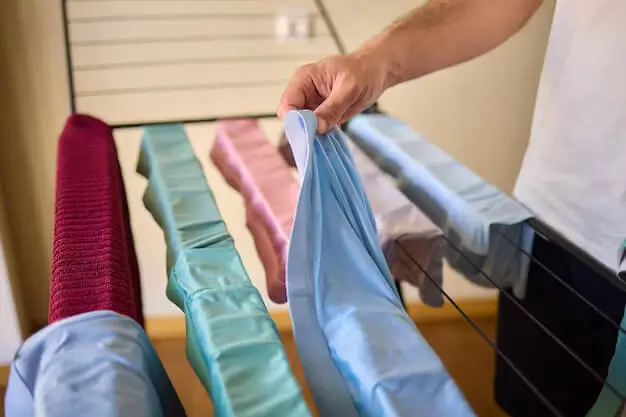
The best way to handle your laundry is to air dry nylon clothes. Because nylon does not absorb much water, it dries very fast on its own. After washing, remove the item and shake it to remove wrinkles. Lay it flat on a clean towel or hang it on a plastic hanger.
Avoid using wire hangers as they can leave “shoulder bumps” in the fabric. Keep the clothes away from direct sunlight. UV rays can fade the dye and weaken the synthetic bonds. If you are doing laundry during the colder months, you might want to read about how to dry clothes indoors in winter without causing dampness in your home.
When Tumble Drying Is Necessary
If you are in a rush and must use a dryer, be extremely cautious. Set the machine to the lowest heat possible or the “air fluff” setting. Only leave the clothes in for a few minutes. It is advisable to remove them while they are still slightly damp. This prevents static cling and stops the fabric from overheating.
Ironing & Steaming Nylon the Right Way
Most of the time, you won’t need to iron these garments. They are naturally wrinkle-resistant. If you do find a stubborn crease, you must be careful. If you must use an iron, set it to the lowest “synthetic” or “cool” setting. Always use a pressing cloth between the iron and the nylon. This acts as a barrier to prevent melting.
However, if you compare steam vs ironing, steaming is much safer. To steam nylon, hold the steamer a few inches away from the fabric. Let the warm mist relax the fibers. Never touch the steamer head directly to the material. This method is much faster and carries almost zero risk of burning a hole in your clothes.
Fixing Common Nylon Problems
Even with proper care, nylon garments can still face issues. Knowing how to fix them can save you from throwing away a perfectly good outfit.
How to Remove Wrinkles Without Damage
To remove wrinkles from nylon clothes without an iron, steam the fabric instead. You can hang the garment in the bathroom while you take a hot shower. The humidity helps the fabric relax naturally.
Another trick is to lightly mist the item with water and hang it in a drafty area. The weight of the water will pull the wrinkles out as it evaporates. This keeps the longevity of nylon clothes intact without using dangerous heat.
Dealing With Stains on Nylon Fabric
This fabric is generally stain-resistant, but oils and grease can stick to it. If you spill something, act fast. Blot the area with a paper towel. Do not rub it, as rubbing pushes the stain deeper into the weave.
Use a small amount of mild dish soap and cool water. Test a small, hidden spot first to make sure the color doesn’t bleed. If the stain is stubborn, professional cleaning nylon services are the safest bet.
Special Care Tips for Nylon Blends & Delicate Items
Many modern clothes are blends. When nylon is mixed with silk or wool, the care routine changes. These items are much more fragile. For high-end lingerie or structured jackets, home washing is risky.
The Tips to care for nylon blends usually involve hand-washing in a sink with cold water. Use a gentle detergent and never wring the fabric. Instead, roll it in a towel to remove excess moisture.
When to Choose Professional Laundry & Dry Cleaning for Nylon
There are times when DIY methods aren’t enough. If you have a heavy winter coat, a delicate evening gown, or items with tough stains, professional help is your best option. Experts know the exact temperatures and solvents needed for washing nylon garments without damaging them.
At Love2Laundry Bahrain, we specialize in handling synthetic fibers. We use professional-grade equipment that controls heat and agitation perfectly. This protects the shape and color of your items. You can check our pricing online to see how affordable it is to save your wardrobe. Instead of risking a melting accident at home, let the pros handle the work.
FAQ’s – Care for Nylon
What’s the best way to clean nylon?
The best way is to use a gentle machine cycle with cold water and a mild detergent. Always turn the garment inside out and avoid bleach or fabric softeners to protect the fibers.
How to keep nylon from wrinkling?
To avoid wrinkles, remove the clothes from the washer immediately after the cycle ends. Shake them out and hang them to air dry. Avoiding the high heat of a dryer is the best way to prevent deep creases.
Can I put nylon in the dryer?
It is not recommended. If you must, use the lowest heat setting and remove the item while it is still damp. Air drying is always the safer choice to prevent melting or shrinking.
How Proper Nylon Care Extends Garment Life
Mastering the care for nylon is essential for anyone who wants their clothes to last. Nylon is a versatile and sturdy material, but it has a “kryptonite”: heat. By sticking to cold water washes and avoiding the dryer, you can keep your activewear and jackets in perfect shape. Remember to skip fabric softeners and harsh chemicals such as bleach. These small steps help ensure that washing nylon garments doesn’t cause accidental damage.
Whether you are dealing with a simple gym bag or a complex nylon blend, the goal is always to preserve the fiber’s integrity. If you ever feel overwhelmed by your wardrobe’s specific needs, don’t hesitate to contact us. We are here to help you maintain your clothes with professional care. If you have questions about our process, feel free to reach out.
Taking the time to properly care for nylon today means your favorite pieces will still look brand new several years from now. Keep your fabrics smooth, stretchy, and strong by following these simple rules every laundry day.