How To Remove Mold Stains From Clothes And Keep Them Fresh in Humid Weather

In humid climates like Bahrain, where moisture stays in the air and becomes trapped in materials, mold on clothing is a common issue. Too much moisture can cause mold to form on clothing, leading to fabric damage, stubborn patches, and an unpleasant musty odor. Because of this, it’s critical to take immediate action to remove mold stains from clothes before they spread or become more difficult to remove.
Professional laundry and dry cleaning services offer advanced cleaning techniques that surpass standard home washing for severe stains or delicate fabrics. Our advanced methods and specialized materials can safely remove mold from fabrics and give your clothes a clean, fresh look.
Understanding Mold and Why It Grows on Clothes
Warm, humid temperatures are ideal for mold growth, a type of fungus that thrives when clothing is left wet for extended periods. Mold thrives in humid conditions because moisture becomes trapped in fabric fibers.
Weakening of the material due to mold growth can cause persistent discoloration, musty odors, and possible health issues. The first step to remove mold stains from clothes is understanding how mold grows.
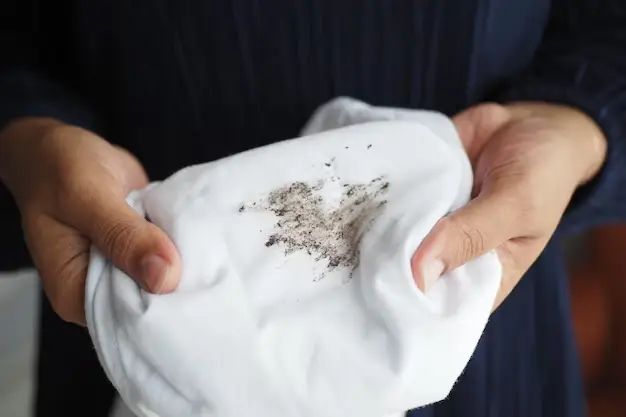
Common Signs of Mold on Clothes
- Black, green, or white spots appear on the surface of the fabric.
- Persistent musty or earthy smell, even after washing.
- Faded or discolored patches that don’t match normal wear.
- Rough or slimy texture in certain areas of the garment.
- Irritation or sneezing when handling the item indicates possible mold spores.
Step-By-Step Guide to Remove Mold Stains from Clothes
It can be annoying to deal with mold on your favorite clothes, but you can successfully remove mold stains from clothes and restore their freshness with the right method. The longer the mold remains, the more difficult it is to remove, therefore, prompt action is essential. You may safely clean, sterilize, and deodorize affected clothes while preserving their color and texture by following this detailed advice.
1. Brush Off Excess Mold
To prevent spores from spreading indoors, take the damaged garment outside and gently brush off any visible mold before washing. Gently remove the surface growth using a soft brush or cloth. During the cleaning procedure, this easy first step helps remove mold from fabric.
2. Pre-Soak Clothes
Soak the mold-affected clothes in a solution of 1 part white vinegar to 4 parts water, or mix 1/2 cup of baking soda into a bucket of warm water. Let the garments soak for 30–60 minutes to loosen mold and neutralize odors.
Always check fabric care labels and wear gloves to protect your skin. For more odor-related insights, read our guide on Why Your Laundry Still Smells Bad After Washing.
3. Wash Properly
If the fabric permits, wash mold-stained clothing in warm water to better dissolve residues and remove the mold. Cold water mixed with a natural mold killer, such as vinegar or baking soda, works great for delicate fabrics. For a thorough clean, use oxygen bleach or a high-quality detergent. Always follow the care instructions to prevent fabric damage while guaranteeing total mold removal.
4. Dry Thoroughly
To stop mold from growing again, make sure everything is completely dry when the wash cycle finishes. Use the proper heat setting while tumble drying clothing for optimal results. Using professional dryers guarantees deeper, quicker drying and helps eliminate any remaining mold spores when working with thick textiles or continuous moisture.
Preventing Mold Growth on Clothes in Humid Weather
The ideal conditions for mold growth are created by humid weather, which often leads to unpleasant odors and mold stains in clothes. Avoid leaving wet laundry in baskets or machines, and keep clothing in a cool, dry location with proper ventilation to avoid this.
You can keep your wardrobe fresh and mold-free all year long by using mold stain remover, silica gel packs, a dehumidifier, and making sure your items are completely dry before storing.
Proper Storage Techniques
Clothes should be stored in breathable fabric bags rather than plastic coverings to allow for proper air circulation and prevent mold and mildew. Keep your closets dry and well-ventilated, and use moisture absorbers or silica gel packs to reduce humidity. Check stored clothing frequently to ensure it stays dry and free of musty smells or mold spots.
Regular Cleaning Habits
To prevent mold growth, wash clothing immediately after sweating or exposure to moisture. To keep fabrics fresh and buildup-free, even long-term storage items should have regular laundry cycles. Regular cleaning keeps your wardrobe odor-free and helps prevent mold stains on clothes before they appear.
Want to keep your workout gear in top shape? Don’t miss these expert tips to keep activewear fresh.
Use of Professional Laundry Services
Even in humid climates, professional laundry and dry cleaning services use advanced methods such as industrial drying to ensure complete mold removal and fabric preservation. Their expert care keeps your clothes from getting damaged and restores their quality and freshness. To keep your clothes mold-free and well-maintained, Book now with a reputable cleaning service for a hassle-free experience and immaculate results.
Tips for Removing Mold Odor from Clothes
Unpleasant odors can remain on the fabric even after mold removal. Add a cup of white vinegar or half a cup of baking soda to your wash cycle to help deodorize and get rid of them. To prevent regrowth, make sure to air-dry clothes properly.
Professional odor removal solutions provide a deeper clean and long-lasting freshness for difficult-to-remove odors. See our guide, tips for keeping your clothes fresh, for more ideas on keeping your clothes smelling great.
When to Seek Professional Help
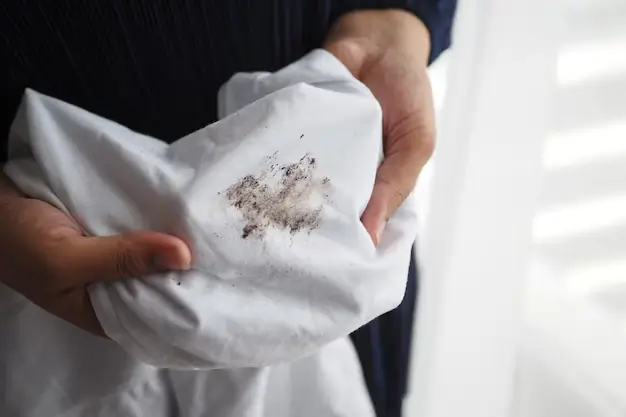
It is preferable to get professional assistance if mold stains in clothes are significant, deeply set, or have resulted in discoloration and odor. Professional dry cleaning and laundry services have the equipment and solutions necessary to safely eliminate tough mold without damaging delicate garments.
For reliable assistance and spotless results, reach out to our team. Contact us today to restore your garments with professional care.
When to Use Professional Laundry and Dry Cleaning Services
Professional services provide the knowledge and tools required to safely and successfully remove mold from fabric, even in difficult spots, delicate fabrics, or when schedules are busy.
In Bahrain, businesses like Love2Laundry offer a reliable, practical option that guarantees clothing is completely cleaned, disinfected, and restored without damage. You can save time and effort by hiring experts to keep your wardrobe fresh and mold-free.
FAQ’s – Remove Mold Stains From Clothes
Are mold stains on clothes permanent?
Mold stains in clothes are not always permanent if treated promptly. Using specialized cleaning solutions, proper washing, and sun drying can effectively remove mold and prevent it from spreading. However, old or deeply set stains may be harder to fully eliminate.
Does vinegar get rid of mold on clothes?
Yes, by eliminating most mold spores, white vinegar can help remove mold stains from clothes. Before washing, soak the damaged item in a vinegar solution. However, deeply ingrained or difficult-to-remove stains may require professional treatment.
Is mold damage to fabric permanent?
If left unchecked, mold damage can weaken fibers and cause irreversible discoloration. The fabric can often be restored with early cleaning and proper care.
Fresh, Clean, and Worry-Free: Your Mold-Free Wardrobe Awaits
Before pre-soaking clothing in a mold-fighting solution, brush off any loose mold to properly eliminate mold stains. After that, wash the cloth properly in hot water, if the fabric allows, and make sure it dries completely in the sun or in a well-ventilated area.
Professional cleaning keeps your wardrobe clean, fresh, and worry-free, while routine inspection and timely treatment prevent mold from growing again. Also, to plan your laundry budget, you can always check pricing for clear, upfront rates.