How to Remove Tomato Stains From Clothes: Quick Tricks for Fresh & Set-In Marks
Learning how to remove tomato stains from clothes is a vital skill for anyone who loves pasta, pizza, or a good curry. Tomato-based spills are a nightmare because they combine bright organic pigments with acidic properties that cling to fibers.
If you do not act quickly, that vibrant red blotch can become a permanent part of your favorite shirt. These marks are persistent due to lycopene, the natural compound that gives tomatoes their color. It is highly water-resistant and loves bonding to fabric.
Many people panic and use the wrong methods, which only makes the situation worse. However, you can remove tomato stains from clothes without ruining the material if you follow the right steps. Whether you’re dealing with a fresh splatter or a set-in stain, there’s a solution.
Sometimes, a simple home fix works wonders. In other cases, professional laundry services are the safest option for protecting delicate threads. This guide will walk you through proven tricks to keep your wardrobe spotless.
Why Tomato Stains Are So Difficult to Remove
To effectively remove tomato stains from clothes, you must understand the enemy. Tomatoes contain tannins and pigments that behave like natural dyes. When a spill occurs, these pigments sink deep into the fabric’s porous structure. Most tomato products, such as pasta sauce and salsa, also contain oils and fats. This means you are fighting a dual-battle: a color stain and an oil stain.
Heat is the biggest danger here. If you use hot water or put a stained garment in the dryer, the heat “cooks” the pigment into the fibers. Once set by heat, it is nearly impossible to get rid of tomato stains at home.
The oils also oxidize over time, turning the bright red into a dull, yellowish-brown mark that resists standard detergents. Using the wrong chemical can also strip the color from your clothes, leaving a tomato mark behind.
Act Fast – What to Do Immediately After a Tomato Spill
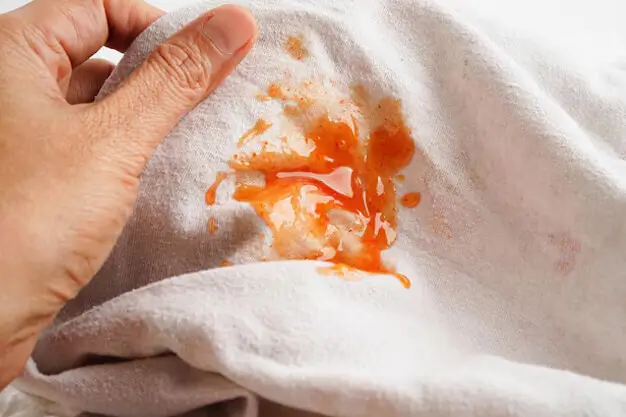
Speed is your best friend when you need to get tomato sauce stains out of clothes. As soon as the spill happens, go to a sink. Do not wait until the end of the meal. The longer the liquid sits, the more time it has to find a permanent home in the weave. Your first instinct might be to grab a napkin and scrub hard. Stop right there. Rubbing pushes the sauce deeper and spreads it to clean areas.
Instead, lift the excess sauce away using a spoon or the edge of a credit card. Lift upward rather than swiping across. Once the bulk is gone, blot the area with a clean paper towel. Never use hot water at this stage. High temperatures lock the proteins and pigments in place. Use a cold water wash approach for the initial rinse to keep the fibers relaxed and the stain mobile.
How to Remove Fresh Tomato Stains From Clothes
When the spill is still wet, your chances of success are high. The goal is to flush the particles out before they dry. You want to lift the pigment without damaging the garment’s texture.
This phase requires patience and a gentle touch. If you are working on a white shirt, you may need to learn how to remove tomato stains from white clothes using specific brighteners, but the initial rinse remains the same for all colors.
Rinse With Cold Water
The first step in removing tomato stains from clothes is a thorough rinse. Turn the garment inside out and run cold water through the back of the stain. This forces the tomato particles out the way they entered.
If you rinse from the front, you are just pushing the sauce deeper into the fabric. Keep the water flowing until the runoff turns clear. This simple move can remove up to 70% of the residue before you even touch a cleaning agent.
Apply Liquid Laundry Detergent or Dish Soap
After rinsing, apply a small amount of high-quality liquid laundry detergent. For oily stains, dish soap is an excellent alternative. Use your fingers to work the soap into the stain or dab the area with a soapy cloth.
Let it sit for at least ten to fifteen minutes. This gives the surfactants time to surround the oil and pigment molecules. Rinse again with cold water. Check the spot before moving to the laundry machine.
How to Remove Set-In or Dried Tomato Stains
It is much harder to remove tomato stains from clothes once they have dried. Perhaps you missed a spot, or a child left a stained shirt in the hamper for a week. These stains require a more aggressive strategy to break the bond between the pigment and the fabric. You will need to rehydrate the stain first. Without moisture, the cleaning chemicals cannot penetrate the fibers to lift the old sauce.
Pre-Soak the Stained Area
Fill a basin with cold water and add two tablespoons of heavy-duty detergent. Submerge the garment and let it soak for at least thirty minutes. For very old marks, an overnight soak is better.
This process softens the dried crust of the tomato. Always check the care label before soaking. Some fabrics do not handle long submersion well. If the stain is still visible after the soak, do not dry the item. Repeat the process or move to a stronger treatment.
Use a Targeted Stain Remover
If soaking does not get rid of tomato stains, use an enzyme-based stain remover. Enzymes are biological molecules that “eat” specific types of substrates. Look for a product that targets starches and proteins. Apply it directly to the mark and let it sit for the time recommended on the bottle.
Always test a small, hidden patch of fabric first. You want to make sure the product does not cause fading. This is a crucial step when you want to get tomato sauce stains out of clothes that are made of sensitive blends.
Removing Tomato Sauce and Ketchup Stains
Sauces and ketchups are more complex than raw tomatoes. They often contain vinegar, sugar, and various oils. These additives create a sticky barrier that protects the red pigment from water. Ketchup, in particular, has a high sugar content that can turn yellow or brown if not removed properly. You must treat these as combination stains.
Blot Excess Sauce Before Treatment
Use a dry paper towel to blot the area. Do not press too hard. You are trying to soak up the liquid part of the sauce. If the sauce is thick, use a blunt knife to scrape off the top layer. This prevents the mess from growing larger when you add water. This is one of the best tips to remove tomato sauce stain incidents during dinner parties.
Treat With Mild Degreasing Agents
Since most sauces contain oil, you need a degreaser. Standard laundry detergent might not be enough. Blue dish soap is a favorite among experts for its ability to strip grease. Apply it to the spot and rub gently.
Rinse it out thoroughly. If you leave dish soap on the fabric and then put it in a washing machine, it might create too many suds. This step is a great way to remove oil stains from clothes using household items that you already have in your kitchen.
Tomato Stain Removal Based on Fabric Type
Not all clothes are created equal. The method you use for a cotton tee might ruin a silk blouse. You must adapt your technique to the material to avoid permanent damage. Always read the care label before you start. If the label says “Dry Clean Only,” do not attempt to use water at home.
Cotton and Durable Fabrics
Cotton is hardy. You can usually remove tomato stains from clothes made of cotton by using a bit of scrubbing and warm-water cycles after the initial cold rinse. If you are trying to remove tomato stains from white clothes that are 100% cotton, you might even use a diluted bleach solution. Just be sure to rinse it out quickly. You can repeat the washing process several times if the mark persists.
Synthetic Fabrics
Polyester and nylon are tricky. They are plastic fibers that easily trap oil-based stains. However, they do not like high heat. If you use a hot iron on a synthetic shirt with a faint tomato mark, the stain will stay there forever. Use gentle detergents and avoid harsh scrubbing, as this can cause the fabric to pill. It is often better to air-dry clothes after washing to see if the stain is truly gone.
Delicate and Dry-Clean-Only Fabrics
Silk, wool, and rayon are very sensitive. Water can cause these fabrics to shrink or lose their shape. If you spill salsa on a silk dress, do not use home remedies. You risk leaving a permanent water ring. For these items, it is vital to know when to dry clean vs home wash. Taking the item to a professional is the only way to ensure the fabric remains intact.
Natural Home Remedies for Tomato Stains
If you prefer to avoid harsh chemicals, there are eco-friendly ways to get rid of tomato stains. These methods work best on fresh spills and light fabrics. While they are safer for the environment, they might take more effort and repetition to show results.
Vinegar and Baking Soda
White vinegar is a mild acid that helps break down tomato pigments. Mix one part vinegar with two parts water and soak the spot. For extra lifting power, make a paste of baking soda and water.
Apply it to the stain and let it dry. As the baking soda dries, it pulls the liquid and pigment out of the fibers. This is a classic trick to get tomato sauce stains out of clothes without using synthetic perfumes.
Lemon Juice for Light-Colored Fabrics
Lemon juice acts as a natural bleaching agent. It works exceptionally well on white or light-colored cotton. Squeeze fresh lemon juice onto the stain and let it sit in the sun for a few minutes.
The UV rays react with the citric acid, fading the red color. However, never do this on dark fabrics, as it will leave a faded white spot. After the sun treatment, wash the item normally to remove the sticky juice.
Common Mistakes to Avoid When Treating Tomato Stains
- Never start with heat; it acts as a fixative that “cooks” the tomato dye into the fibers.
- Putting a stained item in the dryer before the mark is fully gone will make it permanent.
- Scrubbing too hard can break fabric fibers and create a permanent “fuzzy” or worn-out patch.
- Combining products such as ammonia and bleach is extremely dangerous and can produce toxic fumes.
- Allowing the tomato sauce to dry makes the pigments significantly harder to lift later.
- Attempting to clean with a soapy cloth that isn’t fresh transfers more grime into the stain.
- This common instinct pushes the tomato oils deeper into the weave rather than lifting them.
- Failing to check if a garment is “Dry Clean Only” can lead to irreversible fabric shrinkage or damage.
- Ironing a garment with a faint residual stain “sets” the color just as much as a tumble dryer does.
- Neglecting to lift the excess sauce first allows the stain to spread over a larger surface area once wet.
- Applying harsh bleaches to colored fabrics will strip the original dye along with the tomato mark.
When to Choose Professional Laundry and Dry Cleaning Services
There are times when you should not try to remove tomato stains from clothes yourself. If the garment is expensive, vintage, or made from a complex blend, home kits might not work. Professional cleaners have access to industrial-grade solvents that are not available to the public. They also know the science of pH levels and how different chemicals interact with specific dyes.
If home methods leave a faint shadow, a professional can often finish the job. They use specialized tools to clean the fabric without causing wear. To understand more about the costs involved, you can check the pricing online.
If you are unsure, it is always better to contact us for advice before you risk ruining an expensive suit or dress. This is especially true if you also need to remove tea stains from clothes or other stubborn organic marks.

How Love2Laundry Bahrain Helps Remove Tough Tomato Stains
Love2Laundry Bahrain specializes in tackling the toughest food spills. We know that life happens, and a bowl of pasta shouldn’t mean the end of your favorite outfit. Our experts are trained to remove tomato stains from clothes using advanced techniques that preserve the life of your garments. We use eco-friendly, fabric-safe solutions that go deep into the weave to lift pigments without stripping color.
Whether it is a delicate silk tie or a heavy cotton tablecloth, we treat every item with individual care. We analyze the stain type and the fabric construction before choosing a cleaning method. Our service saves you time and the frustration of repeated scrubbing at home.
With convenient pickup and delivery, getting your clothes back to pristine condition has never been easier. We handle everything from everyday laundry to specialty dry cleaning, always prioritizing quality and customer satisfaction.
FAQ’s – Remove Tomato Stains From Clothes
What is the best stain remover for tomato stains?
Enzyme-based liquid detergents or specialized heavy-duty stain sprays work best for breaking down tomato pigments. Dish soap is also highly effective for removing the oily component of the sauce.
Does toothpaste remove tomato stains?
White non-gel toothpaste can sometimes lift minor stains due to its mild abrasive properties. However, it is not as reliable as laundry-specific products and may leave a white residue.
Does lemon juice remove tomato stains?
Yes, the citric acid in lemon juice acts as a natural bleach, helping fade red pigments on light fabrics. It is most effective when combined with sunlight on white cotton materials.
Protect Your Clothes From Lasting Tomato Marks
Knowing how to remove tomato stains from clothes can save your wardrobe and your budget—the secret lies in acting fast and using cold water to prevent the pigment from setting. From simple rinsing to using advanced enzyme cleaners, you have many tools at your disposal.
Always remember to check the fabric care label and avoid heat until you are certain the mark is gone. For white items, extra care is needed to prevent yellowing, while synthetics require a gentle touch to avoid fiber damage.
If home remedies do not work, do not lose hope. Professional services offer the expertise needed for high-value items. They provide a safe alternative to risky DIY experiments. By following these tips, you can enjoy your favorite meals without the fear of permanent splatters. Whether you choose to wash at home or trust the experts, prompt action is the key.