How to Wash a Winter Coat Safely Without Damage or Shrinking

Knowing how to wash a winter coat properly can be the difference between a coat that lasts one season and one that looks great for years to come. Winter coats endure sweat, rain, pollution, stains, and normal wear and tear, but many people avoid washing them for fear of shrinkage or damage to expensive fabrics. Others do the opposite and wash their coats too aggressively, only to find that the coat has lost its shape, warmth, or softness.
The safest approach is to know your coat’s fabric and insulation before cleaning it. Be it a wool overcoat worn to work, a puffer jacket used for daily commuting, or a waterproof jacket for outdoor activities, all require different ways to treat them. Learning the best ways to clean winter coats helps preserve insulation, prevent color fading, and avoid irreversible damage, all while keeping winter wear comfortable, fresh, and functional throughout the season.
Why Winter Coats Need Special Washing Care
Winter coats are layered garments that trap heat, block the wind, and sometimes repel water. These features make them susceptible to damage if washed in the same way as other clothing items. High heat, powerful detergents, or rough agitation might flatten insulation, shrink fibers, or loosen stitching.
For instance, an improperly washed wool commuter coat may lose its tailored shape, while a puffer jacket could come out looking thin and uneven. Thus, knowing the safest method to wash a winter coat is essential for maintaining both comfort and appearance.
Things to Check Before Washing a Winter Coat
Before washing your winter coat, a quick inspection can help determine whether home washing is safe or if professional cleaning is the better option. These checks will help you clean different fabrics properly, without causing damage.
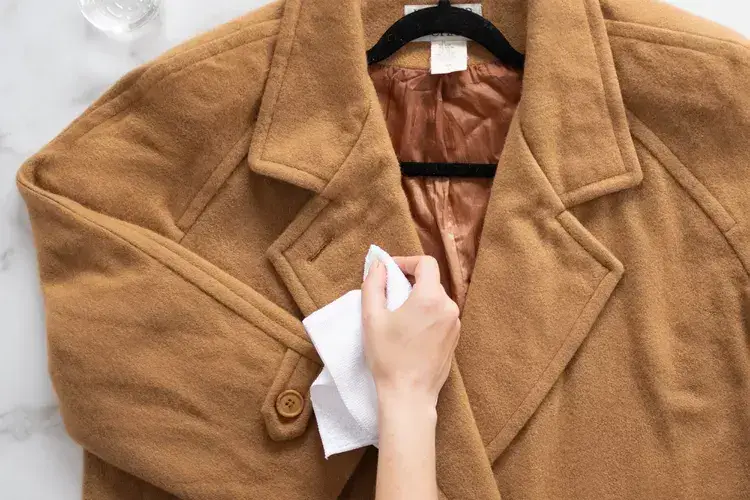
Read the Care Label Carefully
First and foremost, the care label will tell you if the coat is machine washable, hand wash only, or dry clean only. Ignoring it usually results in shrinkage or damaged linings.
A “dry clean only” ticketed coat, for instance, usually features stiff materials that react unfavorably against water. Even the gentlest home washing process can deform it.
Identify the Fabric and Insulation Type
A wool-blend coat, a down-filled puffer, a synthetic insulation jacket, and a technical shell are some examples of winter coats. Each of the materials has its own reaction to all water, movement, and detergents.
It’s often possible to wash down jackets at home, while a wool coat typically requires more delicate care. Knowing what to expect would help you find the best way to clean a winter coat without any guesswork involved.
Check for Stains, Damage, or Loose Parts
Inspect for visible stains, torn seams, loose buttons, or broken zippers. Washing without fixing these issues can worsen the damage.
For example, an untreated oil stain may set permanently after washing, and a loose button could fall off mid-cycle. These small checks can save you from much bigger headaches down the road.
Also Read – Want to know how you can dry clothes indoors in winter? Check out our blog to find out.
Can you wash a winter coat at Home?
Yes, many coats can be safely cleaned at home but not all. The decision depends on the care label, fabric type, and overall construction. Modern machines make home washing easier, but caution is still required.
Synthetic and some machine-safe winter coats are often suitable for home washing, while tailored wool or luxury coats are best left to professionals. When in doubt, choosing the safest method to wash a winter coat is always the smartest option.
How to wash a winter coat at Home Safely
If the care label allows home washing, it’s essential to follow the right steps to wash your winter coat without shrinking, fading, or damaging its insulation. Winter coats are more structured and heavier than regular garments, making them more sensitive to water temperature, agitation, and detergent strength. Even a small mistake can permanently alter the fit or warmth of the coat.
Use Cold Water and a Gentle Cycle
Cold water is one of the most important safeguards when washing a winter coat at home. Heat causes fibers, especially wool, blends, and synthetics—to tighten and shrink. Cold water keeps fibers relaxed, preventing shrinkage and reducing color bleeding in darker coats.
A gentle or delicate cycle reduces friction and spinning intensity, which is particularly important for padded and insulated coats. Excessive movement can cause the filling to shift unevenly. For example, washing a puffer jacket on a normal cycle may result in thin spots and clumps, reducing warmth and comfort.
Choose a Mild, Fabric-Safe Detergent
Using the wrong detergent can damage a winter coat over time. Harsh detergents strip natural oils from wool and break down synthetic insulation, leaving the coat stiff, flat, or less insulating after just a few washes.
Always opt for a mild detergent designed for delicates or outerwear. These detergents lift dirt without damaging fibers or coatings. Avoid fabric softeners entirely, as they leave residue that reduces breathability, particularly in insulated or waterproof jackets, making the coat feel clammy instead of warm.
Wash the Coat Alone or With Similar Items
Winter coats need space to move gently in the wash. Washing them with heavy items like jeans or towels creates friction that can stress seams, tear linings, or distort the coat’s shape.
Ideally, wash the coat alone or with lightweight garments made of similar material. For instance, washing a puffer jacket alongside bulky laundry often results in uneven padding and pulled stitching damage that’s difficult to reverse once it happens.
Fabric-Specific Washing Tips for Winter Coats
Not all winter coats are created equal, and treating them the same way is a common mistake when people wash a winter coat at home. Fabric type, insulation, and outer finishes all determine how much water, agitation, and heat a coat can safely handle.
Understanding these differences helps you avoid accidental damage and choose the safest, most effective cleaning method for each coat in your wardrobe.
How to Wash a Down or Puffer Coat
Down and puffer coats are usually machine-washable, but they require careful handling. Use a cold water cycle and a small amount of detergent to prevent residue buildup, which can weigh down insulation.
During drying, the filling tends to clump together. Adding clean tennis balls to the dryer helps break up these clumps and restore the coat’s loft. Without this step, the coat may dry flat and lose its insulating power, even if it looks clean.
How to Wash a Wool Winter Coat
Wool is extremely sensitive to heat and agitation, making it one of the easiest fabrics to damage. In most cases, hand washing in cold water or choosing professional cleaning is the safest option.
When hand washing, avoid rubbing or twisting the fabric. Gently press water through the coat and lay it flat to dry. Hanging a wet wool coat can stretch the shoulders and sleeves, permanently altering its tailored shape.
How to Wash Waterproof or Technical Jackets
Waterproof and technical jackets rely on special coatings to repel moisture. Regular detergents and fabric softeners gradually break down these coatings, reducing water resistance over time.
Use detergents designed specifically for technical outerwear and follow the care label closely. Some jackets require low-heat drying to reactivate the waterproof finish, while others must air-dry. Ignoring these details can leave the jacket clean but no longer weatherproof.
How to Dry a Winter Coat Without Shrinking
Drying is where winter coats are most likely to suffer damage. Even if you wash your winter coat correctly, excessive heat or improper support during drying can cause shrinkage, stretching, or loss of structure.
Taking extra care during this stage preserves both the appearance and performance of the coat. This way, you can avoid shrinking clothes in the wash without hurdles.
Air-Drying vs Tumble Drying
Air-drying is the safest choice for most winter coats, especially wool, structured coats, and long styles. Lay the coat flat on a drying rack or hang it on a padded hanger in a well-ventilated area.
Tumble drying should only be used if the care label allows it, and always on low heat. Drying coats in cold weather indoors with good airflow prevents moisture buildup while avoiding heat damage.
Preventing Loss of Shape During Drying
Most winter coats don’t need frequent washing. In fact, overwashing is one of the quickest ways to wear out fabric and insulation. For most people, washing once or twice per season is enough unless the coat is visibly dirty.
A daily office coat, mainly exposed to indoor environments, may only need airing out and occasional touch-ups, while outdoor or sports coats may need more frequent cleaning due to sweat and exposure.
How Often Should You Wash a Winter Coat?
Most winter coats don’t need frequent washing. In fact, overwashing is one of the fastest ways to wear out fabric and insulation. For most people, washing once or twice per season is enough unless the coat is visibly dirty.
A daily office coat exposed mainly to indoor environments may only need airing out and occasional touch-ups, while outdoor or sports coats may require more frequent cleaning due to sweat and exposure.
How to Keep Winter Coats Fresh Between Washes
Keeping a coat fresh between washes reduces wear and extends its life. Air the coat out after wearing it, especially if it’s been exposed to rain, snow, or crowded indoor spaces.
Prompt stain treatment and proper storage away from damp or cramped areas help prevent odors and fabric breakdown, reducing how often you need to wash a winter coat.
When to Choose Professional Laundry and Dry Cleaning Services
Professional cleaning is the best option for wool coats, luxury fabrics, structured designs, or heavily stained coats. Experts use controlled techniques to protect shape, texture, and insulation.
If you’re ever unsure about the safest method to wash a winter coat, professional laundry or dry cleaning is a smart and safe investment. You’ll also benefit from cost-effective pricing tailored to your needs.
If you have any questions, contact us, and our customer service team will be happy to assist you.

Common Mistakes That Ruin Winter Coats
Many coats are damaged by simple mistakes during cleaning. Keep these common errors in mind before you wash your winter coat:
- Ignoring care labels.
- Using hot water or high heat drying.
- Overusing detergent or fabric softener.
- Washing heavy coats with rough items.
- Overwashing coats that only need light cleaning.
FAQ’s – wash a winter coat
Can winter wear be washed in the washing machine?
Yes, some winter coats can be machine-washed if the care label allows it. Synthetic and machine-safe winter coats typically tolerate gentle cycles well. Always use cold water and avoid heavy loads to reduce stress on the garment.
Which mode for winter clothes in the washing machine?
The delicate or gentle cycle is the best option for winter clothes. It minimizes agitation while still cleaning effectively, helping preserve the coat’s integrity. This cycle is part of the safest method for cleaning a winter coat at home.
How to freshen up a winter coat?
Air it out after wearing, steam lightly, and spot-cleaning small stains. These steps reduce odors without frequent washing.
Final Tips to Extend the Life of Your Winter Coat
Learning how to wash a winter coat correctly protects your investment and keeps your outerwear looking new season after season. Always follow the care label, use gentle settings, and avoid unnecessary washing. Choosing the safest method to wash a winter coat, whether at home or professionally, prevents shrinkage, fading, and damage to insulation.
Between washes, proper storage, airing out, and prompt stain treatment go a long way. When in doubt, professional laundry and dry cleaning services provide peace of mind and expert handling. With the right care habits, you can confidently wash a winter coat without fear, ensuring warmth, comfort, and style every winter.