Easy Ironing Tips for Every Fabric
Ironing seems like an easy task, but anyone who’s scorched a shirt or creased a dress the wrong way knows it takes more than just heat and pressure. Different fabrics react differently to the iron; therefore, every fabric requires a specific setting. If you use the same setting on every fabric, it can ruin your favorite outfit.
Whether you’re dealing with delicate silks, sturdy cottons, or tricky synthetics, this guide will walk you through the essential steps to iron every fabric with confidence. Love2Laundry will share some secret ironing tips, including smart hacks, temperature tricks, and using steam, to make your life easier.
With a few expert-backed tricks up your sleeve, you’ll save time, avoid common mistakes, and never have to deal with surprise wrinkles again. So grab your iron, plug it in, and let’s get started!
Why Proper Ironing Matters
Wrinkled clothes can kill your vibe, leaving a messy impression. Proper ironing is for looking neat and professional. When your clothes are crisp and well-pressed, you feel more put-together, polished, and ready to take on anything.
Moreover, knowing how to handle each fabric correctly means fewer wardrobe mishaps and a longer life for your favorite pieces. Using the correct technique and temperature helps protect delicate materials, maintain the garment’s shape, and prevent burns or shine marks.
Bonus Read: Stay wrinkle-free on campus with our ironing services for students in Riffa and Manama, because student life’s busy enough without laundry stress!
Essential Tools for Effective Ironing
Having the right tools can turn ironing from a frustrating chore into a quick, satisfying task. These tools not only help you get smoother results faster, but they also protect your clothes from damage. Here are some tools to help you do effective ironing:
Choosing the Right Iron
- Look for an iron with adjustable temperature settings for different fabrics.
- Choose between steam irons and dry irons based on your fabric needs.
- A non-stick soleplate glides smoothly, preventing fabric burns.
- Opt for irons with a pointed tip to reach tricky corners and pleats.
- Consider a lightweight model if you iron frequently or for long sessions.
- Check for features like auto shut-off and steam burst for added convenience.
Optional Accessories to Improve Ironing
- Use a spray bottle to dampen stubborn wrinkles for smoother, more refined results.
- A pressing cloth protects delicate fabrics from direct heat.
- Sleeve boards help iron sleeves and small garment parts more easily.
- Ironing board covers with extra padding ensure even pressure and heat.
- Garment steamers are great for quick touch-ups and delicate items of clothing.
- A heat-resistant iron rest keeps your workspace safe and organized.
Temperature Settings Quick Reference
- Always match ironing temperatures to the fabric type: use a low setting for synthetics and a high setting for cotton and linen.
- Use a cool setting to iron your abaya and preserve its delicate texture.
- Medium heat works best for wool and blends; test on a small area first.
- High settings help you iron thobes effectively, giving them a crisp, clean look.
- Delicates like silk and satin need a pressing cloth and the lowest temperature.
- When in doubt, start with a low setting and increase gradually to avoid fabric damage.
Top Ironing Tips from the Pros
- Always check the care label before ironing; it is essential for smart fabric ironing tips.
- Start with low heat and gradually increase to avoid scorching delicate fabrics.
- Use steam to help smooth stubborn wrinkles without damaging the material.
- Iron clothes inside out to protect prints, embroidery, and delicate textures.
- For perfect pleats and sharp lines, press the fabric with a cloth.
- Don’t iron dirty or stained clothes because heat can set the stain permanently.
- Learn how to iron clothes in sections: collars, cuffs, sleeves, then body.
- Keep your iron clean and descaled regularly for smooth, even pressing.
How to Store Clothes After Ironing
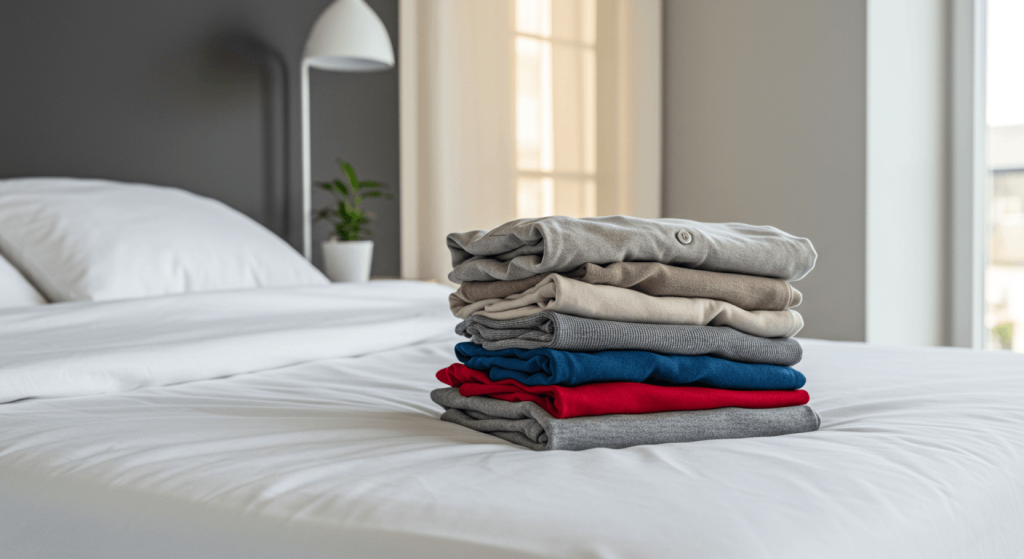
Storing clothes properly after ironing is just as important as the ironing itself. According to any expert ironing guide, the key is to hang freshly ironed clothes on good-quality hangers to prevent new wrinkles from forming.
For items that need to be folded, ensure they are completely cool and dry before placing them in drawers. If you’re using the best ironing service in Riffa, your clothes will arrive perfectly pressed; just store them carefully to maintain that crisp look.
Save Time with Professional Ironing Services
In today’s busy world, finding time to iron clothes perfectly can be a challenge. That’s where a trusted ironing service steps in to make life easier. By choosing the best ironing service in Manama, you not only save precious time but also make sure your clothes are treated with the best ironing techniques for a flawless finish.
Professionals know how to handle every fabric type with care, leaving your wardrobe wrinkle-free and ready to wear. Whether it’s everyday outfits or delicate garments, outsourcing to an expert saves effort and delivers impressive results. Say goodbye to ironing stress and hello to perfectly pressed clothes.
FAQs – Easy Ironing Tips for Every Fabric
What temperature to iron different fabrics?
Use low heat for delicate fabrics like silk, medium for wool, and high for cotton or linen. Essential ironing tips for fabric care. For best results, follow professional ironing tips found on fabric labels.
What fabrics should never be ironed?
Avoid ironing fabrics like waxed jackets, sequined items, and some synthetic materials. Check the labels for guidance on how to iron clothes like these. These materials can melt or get damaged, so professional ironing tips suggest steaming instead.
Can 100% polyester be ironed?
Yes, but only on a low heat setting—using a pressing cloth is one of the top ironing tips for polyester. To avoid melting, follow professional ironing tips and learn how to iron clothes gently.
Wrap Up!
Ironing doesn’t have to be a chore; when you know what settings to use and which fabrics to treat with care, it becomes effortless. These simple yet effective ironing tips can save your favorite clothes from unnecessary damage and keep them looking crisp and fresh. Whether you’re taming stubborn linen or lightly smoothing out polyester, the right techniques make all the difference.
Good fabric care isn’t just about washing and drying; it’s about treating every step with attention, including ironing. So, heat that iron, follow the fabric labels, and give your wardrobe the polished look it deserves. With the right know-how, you’ll never have to fear wrinkles again.